 By
By For many urban commuters, the decision to switch to an electric vehicle is not about awareness, it is about affordability. Electric mobility is becoming increasingly common on Indian roads, yet many people continue using petrol vehicles because the transition feels financially difficult. The upfront purchase cost, loan commitments, maintenance concerns, and uncertainty around charging often delay adoption, even among those who are interested in switching.
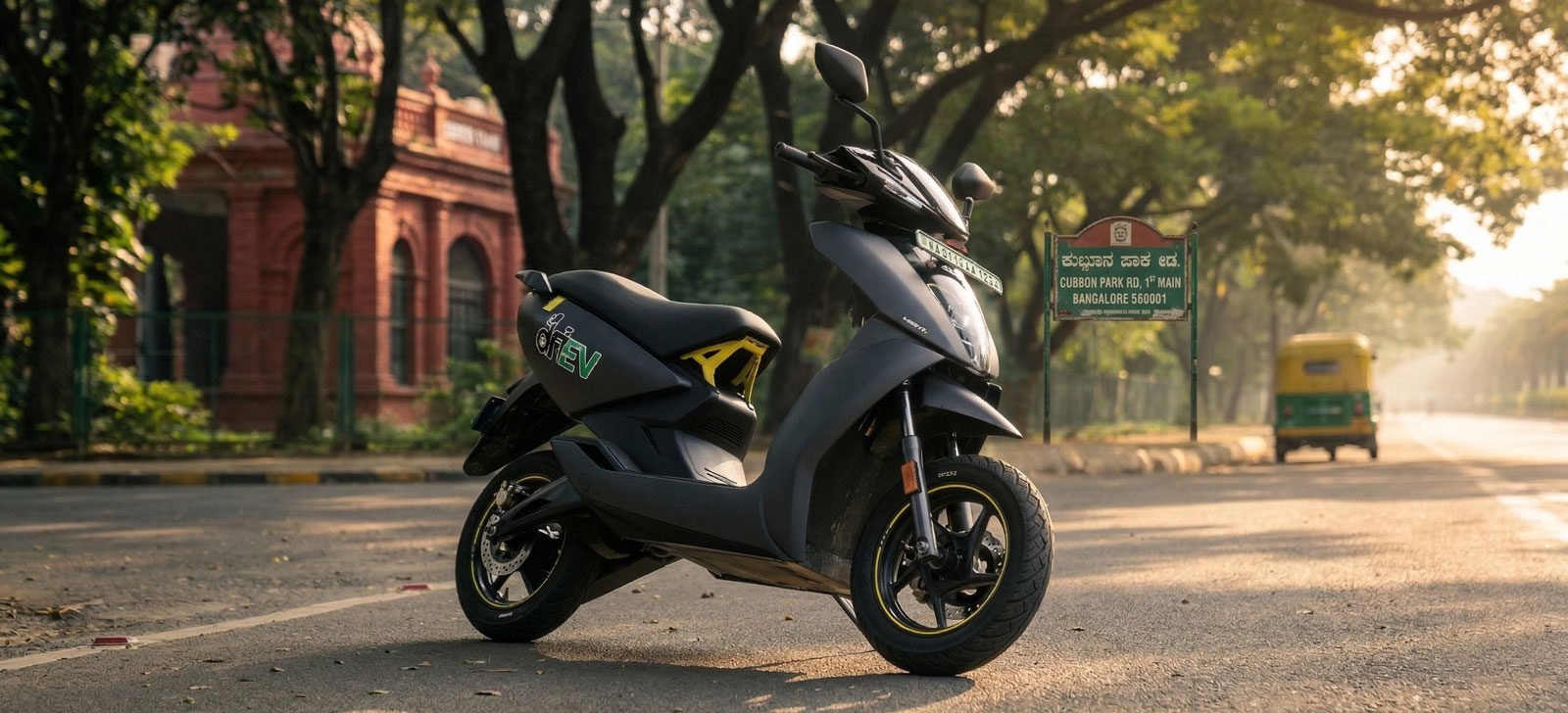
At Let’s driEV, we believe the future of mobility should not be limited to those who can make a large upfront investment. By lowering entry barriers, we are helping people experience electric mobility without the immediate burden of ownership, and that is beginning to change everyday commuting choices.
The Real Barrier to EV Adoption
When people think about EV adoption, they often assume the biggest challenge is convincing commuters that electric vehicles are better. In reality, many commuters already understand the benefits:
- Lower running costs
- Reduced dependence on petrol
- Quieter rides
- Lower maintenance requirements
- Cleaner transportation
The hesitation usually comes from questions such as:
- Can I afford the initial payment?
- What if I am not sure an EV suits my daily routine?
- Who will handle maintenance?
- Will charging be difficult?
These concerns are especially common among students, young professionals, first-time vehicle users, and urban commuters looking for a more affordable daily travel option.
Why Entry Barriers Matter
Traditional vehicle ownership requires a significant financial commitment before the first kilometre is travelled. Lower entry barriers change that equation.
With an accessible EV model, commuters can begin using an electric vehicle without:
- A large down payment
- Long-term loan obligations
- Immediate ownership responsibility
- High maintenance uncertainty
This shifts the conversation from “Can I buy an EV?” to “Can I start using an EV today?”
That single change has a powerful effect on adoption.
Commuting Decisions Are Becoming More Practical
Urban commuters increasingly evaluate transportation based on monthly cost rather than purchase price. When the daily economics become favourable, behaviour changes quickly.
A commuter who spends a substantial amount on petrol each month can often reduce operating expenses by switching to electric mobility. Over time, those savings become meaningful.
The impact is not only financial. Many users report:
- More predictable monthly transportation expenses
- Less concern about fuel price fluctuations
- Greater confidence in daily commuting
- Increased willingness to choose electric mobility regularly
First-Time EV Users Are Leading the Shift
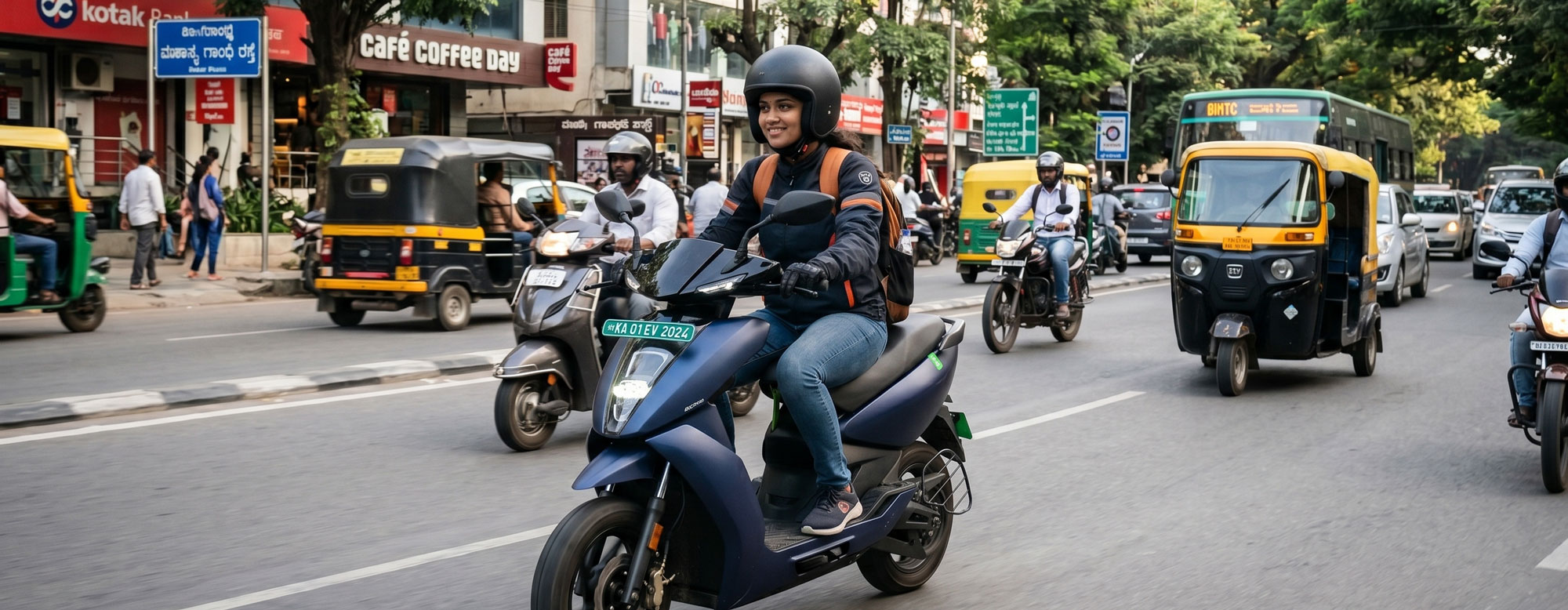
One of the strongest indicators of changing commuting behaviour is the growth in first-time EV users. People who had never previously used an electric two-wheeler are now experiencing electric mobility through accessible platforms.
For many users, the first few weeks remove the uncertainty that once prevented adoption. Charging becomes routine, vehicle performance becomes familiar, and the perceived risk declines significantly.
This “try before long-term commitment” effect is an important driver of India’s EV transition.
A Human Story Behind Every Electric Kilometre
The impact of affordable EV access is easiest to understand through everyday life.
A student
A student who previously depended on multiple bus connections may gain a more reliable commute to college, internships, and skill-development opportunities.
A young professional
A young professional can reduce monthly transportation expenses while avoiding the stress of purchasing a new vehicle early in their career.
An urban commuter
An urban commuter can choose a cleaner and more economical mode of travel for daily office commutes, errands, and local travel.
These are not abstract sustainability outcomes; they are practical improvements in mobility, independence, and financial flexibility.
The Environmental Benefit Comes with the Human Benefit
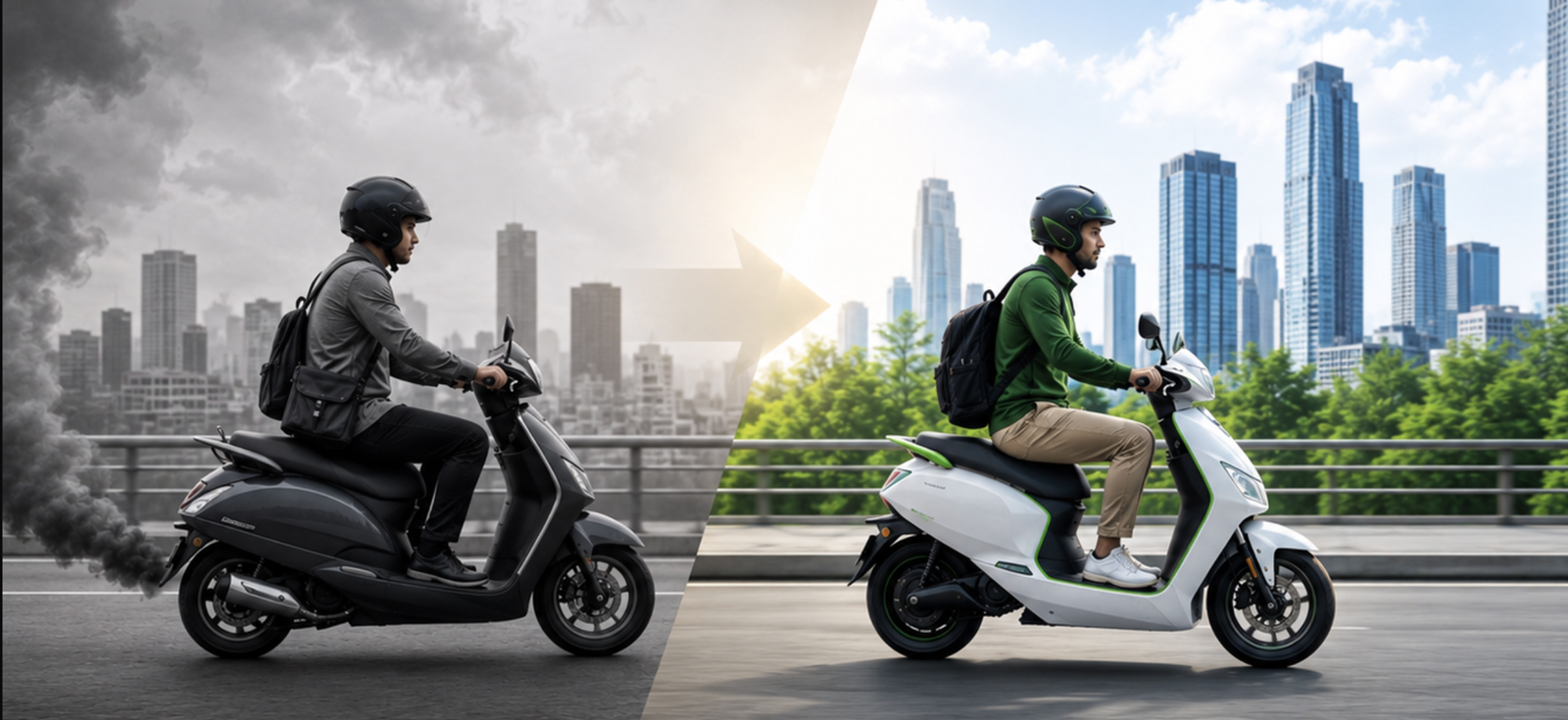
When a commuter shifts from a petrol vehicle to an electric vehicle, the impact extends beyond personal savings. Every electric kilometre travelled can reduce petrol consumption and associated tailpipe emissions.
As more daily commutes move from petrol to electric, cities benefit through:
- Lower direct transport emissions
- Reduced fuel consumption
- Improved local air quality
- Quieter urban mobility
Importantly, the environmental benefit is strongest when electric mobility replaces petrol-based personal travel. Making that transition affordable is therefore both a social and environmental intervention.
Accessibility Is the Next Phase of India’s EV Journey
India has already proven that interest in electric mobility exists. The next challenge is ensuring that access keeps pace with interest.
The future of EV adoption will depend not only on better vehicles, but also on better access models that reduce financial friction, build user confidence, and allow people to transition gradually.
At Let’s driEV, we see electric mobility as more than a transportation service. We see it as an opportunity to make cleaner mobility practical for a wider section of urban India.
Looking Ahead
The shift from petrol to electric will not happen through technology alone. It will happen when electric mobility becomes easier to enter, easier to use, and easier to afford.
Lower entry barriers are already changing commuting choices. They are helping people try electric mobility sooner, save money sooner, and contribute to cleaner cities sooner.
That is the real transition we are working toward, a future where choosing electric is not a luxury decision, but an accessible everyday choice.